






Saturday, August 30, 2008
Pollutions affect the Earth, and water pollution affects the most on the oceans!
So what causes the water pollution?
^ Water pollution
Oil spills:
Oil in the oceans block the oxygen from getting into the water, causing suffocation to the marine plants and animals. Birds can lose flight and insulating abilities when their feathers came contact with the oil spills in the ocean.
The marine animals could also affected by feeding on the filter feeders such as oysters, shrimps and some fishes. The filter feeders may quickly accumulate toxins in themselves and kill the animals that feed on them.
Coastal Erosion:
Coastal erosion is a natural process consisting in the detachment of soil particles by water under the impact of raindrops and runoff9, followed by the transport and redeposit of the particles concerned.
Coastal erosion can have negative effects on water quality and cause harm towards the reefs. The erosion of dirt or artificial filled coastlines release fine sediments to the nearshore waters. Furthermore, the significant increase in drainage passages for recent developments and concrete channelization for flood protection have both had critical impacts on near-shore water quality and sediment loads.
Littering:
Disposing of non-biodegradable10 items such as plastics can pollute the ocean. Burning of plastics will release carbon dioxide and other greenhouse gases, which increases the temperature of the oceans. Increase in the temperature can harm the marine lives. The coral bleaching are caused by the increase of the ocean temperature and salinity. The algae give the corals food and colour. Without the algae, the corals lose its colour and food source, therefore it will die. Once the corals die, the fishes will have no food and shelter for it to live and reproduce.
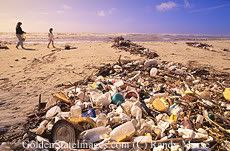
^ Beach litter
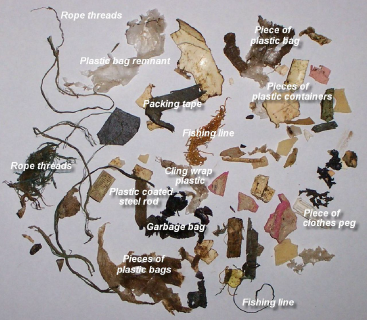
^ Items removed from turtle's stomach
Plastics can also cause marine animals such as sea turtles, to choke and die. The marine animals may thought the plastic is their prey and went to eat it. Plastics can also cause starvation because they clog the marine animals' digestive system or by filling their stomach, giving them a false sense of fullness.
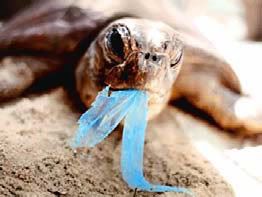
^ Turtle eating plastic
Toxic wastes:
Toxic waste is the most harmful form of pollution to marine creatures and human. The industries release those toxic wastes produced from burning metals and oil into the oceans. The filter feeders may accidentally consumed toxic waste, which can also passed on by food chain and cause other animals to die.
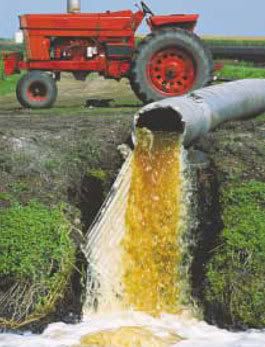
^ Toxic wastes released into the water
Sources :
· info - Coastal erosion, Wikipedia
· images - Toxic waste, Beach litter, Turtle eating plastic, Items removed from a turtle's stomach


· video - Youtube
Labels: Pollutions, What harms the ocean